
Southern Tasmania is ahead of national rates for diversion of waste from landfill, but new infrastructure will be needed to reach Australia's 80 per cent resource recovery target by 2030.
TasWaste South CEO Paul Jackson said the Southern Tasmanian Waste Infrastructure Assessment Report was a first-of-its-kind review of waste management in Tasmania, drawing on engagement with industry, councils, state government and the best available data to guide infrastructure investment to 2050.
“Our southern councils are already recovering 63 per cent of waste from landfill, ahead of the national trend of 56 per cent, so we’re starting from a strong position,” Mr Jackson said.
“But population growth, more FOGO services, coming landfill closures and complex waste like solar panels all mean that investment decisions are needed now if we’re to meet our waste targets.”
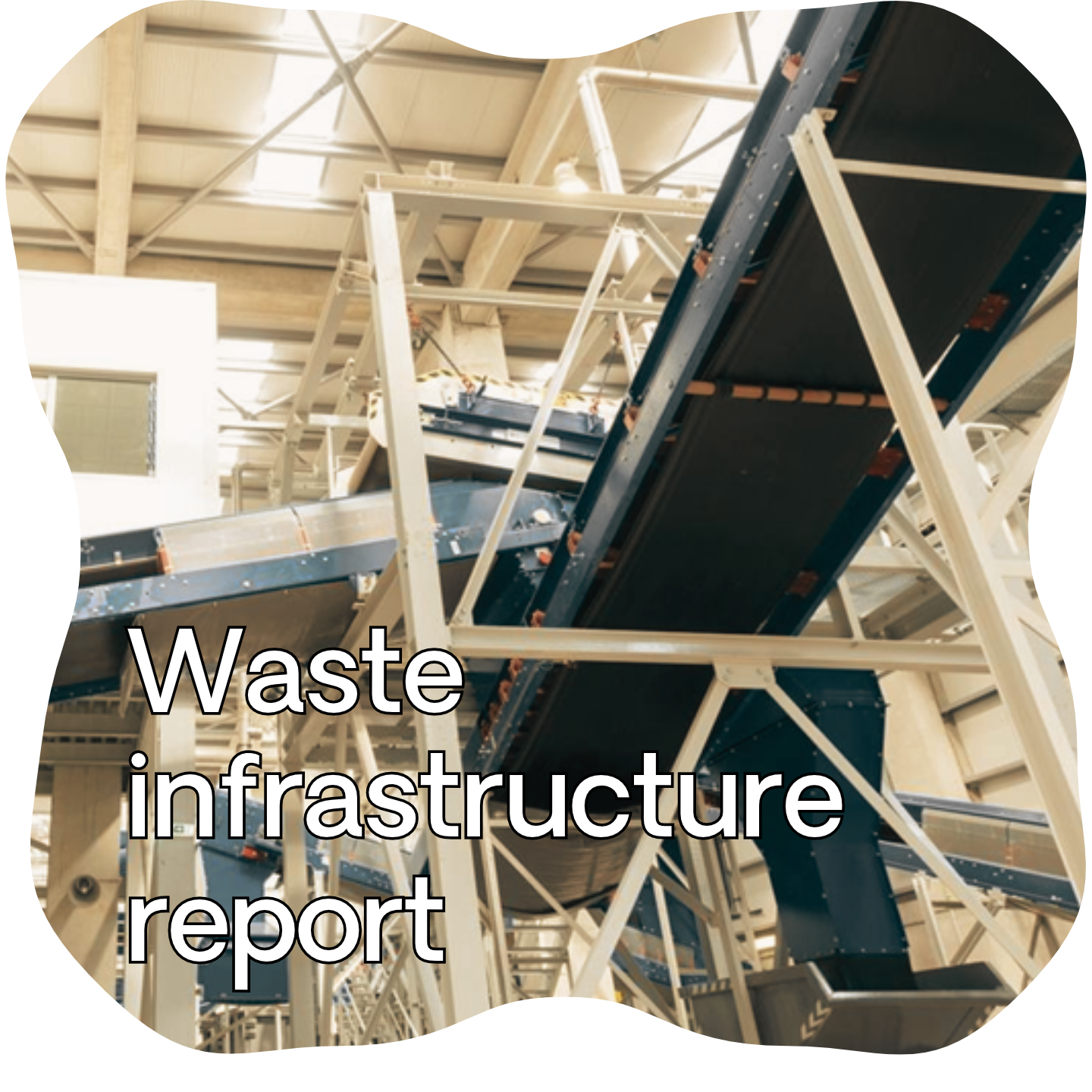
Among the report’s recommendations is an upgrade or replacement of southern Tasmania’s materials recovery facility in Lutana, where the region’s kerbside recycling is sorted and packaged for transport interstate.
With more councils expected to introduce kerbside FOGO services in coming years, southern Tasmania will need more organics processing capacity. Continued coordination between councils and providers will also help these facilities produce better-quality compost to meet market demand.
Four landfills across southern Tasmania are expected to reach the end of their operating lives in coming decades, increasing the region's reliance on the Copping landfill and coordinated planning for logistics and transport.
Mr Jackson said the report identifies projects ranging from relatively small equipment investments to major regional infrastructure, but that building new facilities is only part of the equation.
“The Tasmanian Government’s landfill levy is an essential reform that will play a significant part in changing behaviour and providing funding, but governments can also use their purchasing power to create more demand for recycled materials, which gives businesses greater confidence to invest.”
“This report provides business and government with a clear picture of the investment opportunities ahead. Some are relatively small, while major infrastructure projects will require detailed planning, costing and investment over many years, with funding needed from all levels of government and the private sector.”
Tasmanian Waste and Resource Recovery Board CEO Holly Mackey said the report was an important step in building a coordinated, long-term approach to waste and resource recovery infrastructure across Tasmania.
“Importantly, the findings will help inform development of the statewide Strategic Infrastructure Roadmap, a key action under the Tasmanian Waste and Resource Recovery Strategy 2026-2031, ensuring future investment is guided by regional needs and priorities,” Ms Mackey said.
“The landfill levy is enabling this type of strategic planning and collaboration, helping governments, councils and industry work together to identify priorities and build the infrastructure and services needed to support Tasmania's transition to a circular economy.”
